1. The Single Transaction Reality
When a customer clicks “Place Order” on a modern digital storefront, from their perspective, only one simple event occurred: they bought an item.
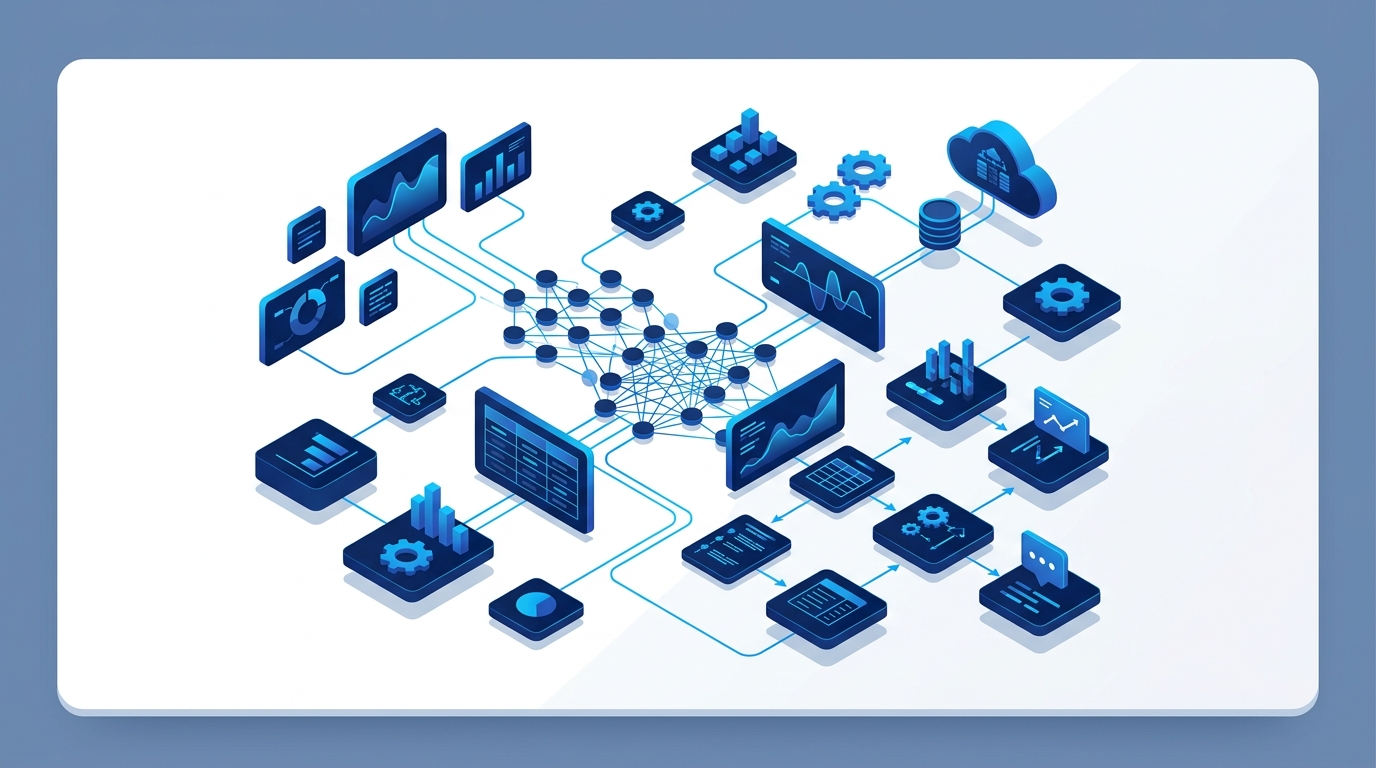
Behind the scenes, that single action triggers an intricate sequence across half a dozen business systems:
How do all these separate systems communicate reliably without human data entry? Through Application Programming Interfaces (APIs).
2. What Is an API in Plain English?
Stripped of technical jargon, an API is a controlled, secure contract that allows one software application to request and use capabilities from another system.
Think of an API as an executive service desk: you send a specific, standardized request (e.g. “Calculate tax for order #108 in Maharashtra”), the system checks your credentials, executes the calculation according to strict business logic, and returns the authoritative answer in milliseconds.
3. Traditional Application-Centric vs. API-First Architecture
To understand why API-first architecture matters to business executives, observe how software design has evolved:
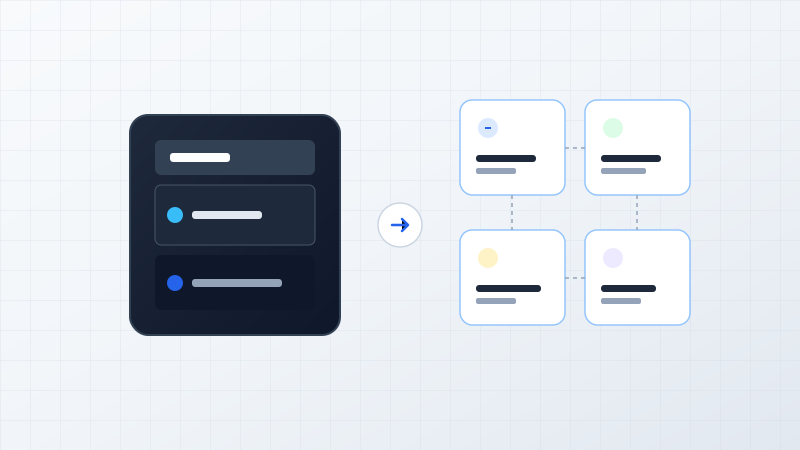
Traditional Monolithic Silo
Logic is locked inside the website. Adding a mobile app or partner portal requires rewriting all the rules from scratch.
Modern API-First Platform
Business capabilities are built once as APIs. Any current or future channel can consume them immediately.
4. APIs as Reusable Business Capabilities
When an enterprise designs with an API-first mindset, core business operations become modular assets. Consider the capability CREATE ORDER:
- A retail consumer invokes it through your public e-commerce website.
- A wholesale distributor invokes it through your B2B dealer portal.
- A field sales executive invokes it on their mobile phone app.
- An enterprise partner invokes it directly from their ERP system via automated webhook.
- An AI conversational assistant invokes it when a client reorders via WhatsApp.
Because the validation, discount algorithms, inventory reservations, and tax rules exist in one single API, every channel behaves consistently, bugs are fixed once, and launching new sales channels takes weeks instead of quarters.
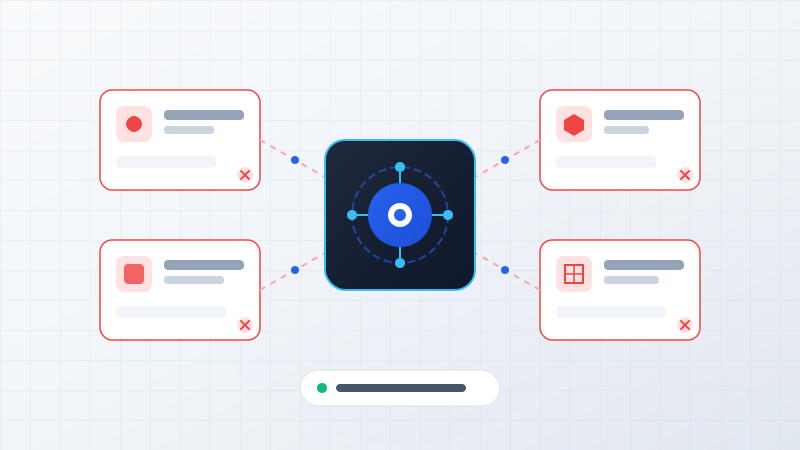
5. API-First Does Not Mean "Expose Everything"
A critical governance point for leadership: building an API does not mean making your data public. Professional enterprise APIs incorporate rigorous security layers:
- Authentication & Authorization: Verifying exactly who is calling (OAuth2 tokens, API keys) and enforcing role-based permissions.
- Rate Limiting & DDoS Shielding: Preventing rogue callers from overwhelming server compute.
- Input Validation & Sanitization: Rejecting malformed or malicious data before it ever touches your database.
- Immutable Audit Logging: Recording every call, parameter, and timestamp for regulatory compliance.
- Contract Versioning: Ensuring updates to an API do not break legacy mobile apps or external partner systems.
Strategic Takeaway
"You cannot predict every digital interface your business will need five years from now. An API-first architecture guarantees that your underlying business capabilities remain durable, secure, and ready for whatever channel comes next."