1. The QR Code Was Only the Interface
When enterprise manufacturing and distribution leaders discuss anti-counterfeiting or consumer verification, the project is frequently described as: “We need to put QR codes on our packaging.”
In reality, a QR code contains virtually zero value by itself. Anyone with an inkjet printer or smartphone can generate and print a QR code linking to a static URL.
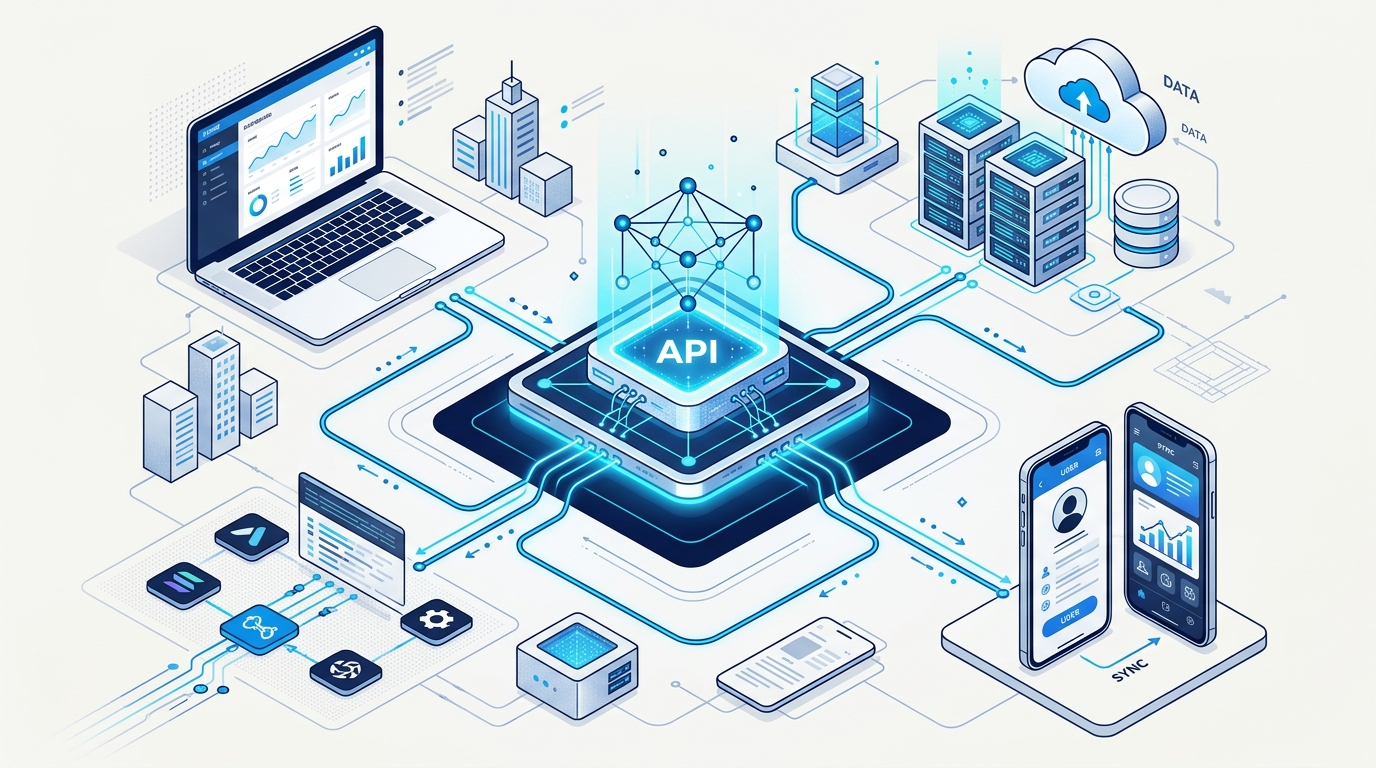
The true architectural value comes from the Digital Identity and Event Engine operating behind that code. In this engineering case study, we examine how ByteStream architected a high-throughput product authentication system that transformed physical packaging into end-to-end supply-chain visibility.
2. The Enterprise Challenge
A regional enterprise manufacturer faced three acute commercial challenges:
- Counterfeiting & Brand Erosion: Unauthorized knock-offs were circulating in rural retail channels, causing customer complaints and warranty disputes.
- Zero Channel Visibility: Once shipments left company warehouses, leadership had no visibility into whether goods were sold in authorized territories or diverted across state lines.
- Disconnected Customer Relationship: The manufacturer had no direct touchpoint with end consumers, relying entirely on intermediaries for market feedback.
3. The Concept of Digital Product Identity
Rather than treating QR codes as static URLs, ByteStream engineered an architecture where every manufactured physical unit is assigned a Digital Product Identity:
The Digital Product Identity Equation
Physical Product + Cryptographic Unique Identifier + Batch & Expiry Data + Scan Geographies + Timestamped State Transitions = Digital Product Identity
Every interaction across the product's physical lifecycle generates an immutable, timestamped event in the central cloud platform:
Production & Serialization
Unique cryptographic QR assigned during bottling/packaging; batch linked.
Depot Dispatch & Transit
Pallet-level scan binds individual serialized units to specific regional distributors.
Retailer Receiving
Authorized dealer scans verify receipt, triggering inventory credit updates.
Customer Verification Scan
End consumer scans using standard smartphone camera without downloading any app.
4. Real-Time Authentication & Anomaly Detection
When a consumer scans the package with their phone, a sub-200ms verification pipeline executes:
- Token Decryption & Signature Validation: The secure token is validated to guarantee it originated from the authorized factory generator.
- Scan History & Velocity Check: The system checks whether the code has been scanned previously. A first scan confirms: “Genuine Authentic Product.”
- Anomaly & Diversion Flags: If the exact same serialized token is scanned in Delhi at 10:00 AM and in Bengaluru at 10:15 AM, the system immediately flags a cloned counterfeit attempt and alerts the compliance team.
- Geo-Telemetry Capture: IP geolocation and browser telemetry log the location and time of verification.
5. The Business Dividend: Operational Supply-Chain Visibility
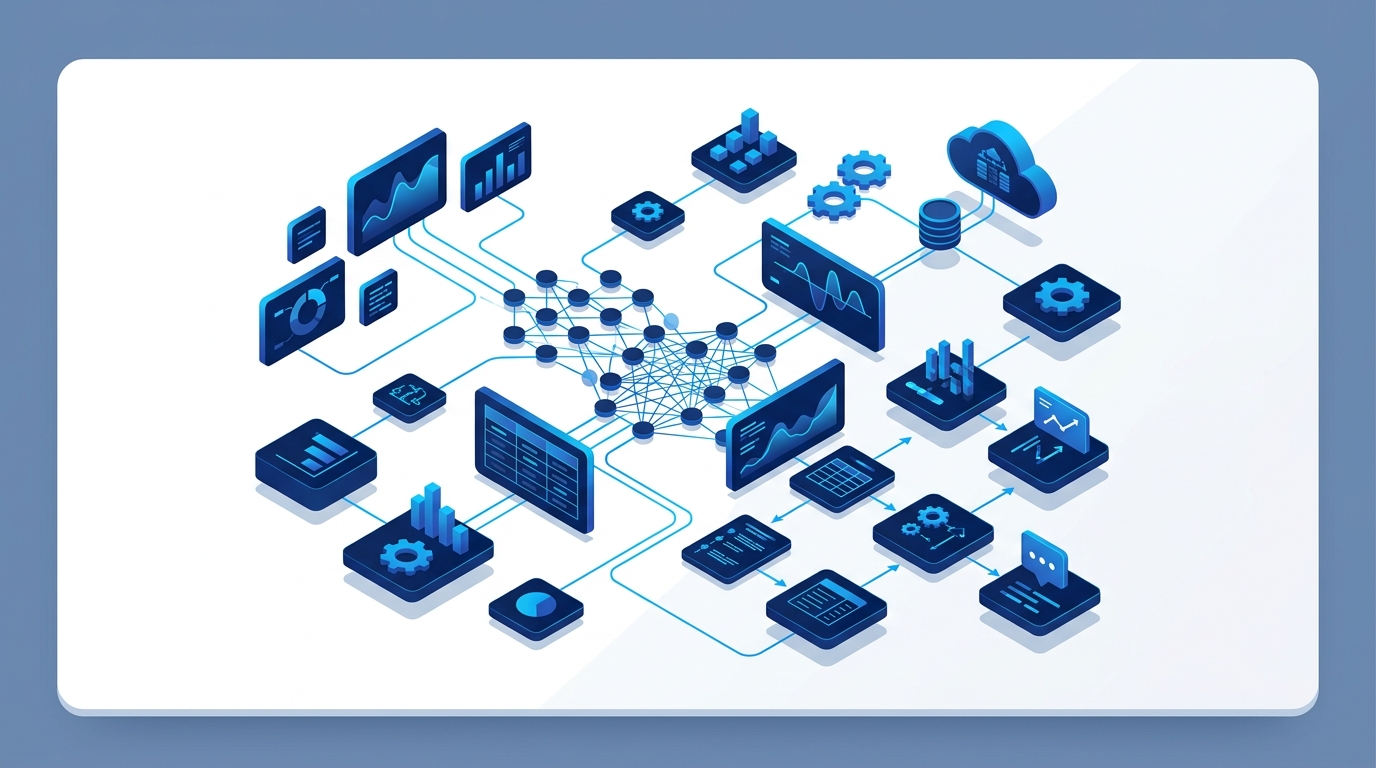
What began as an anti-counterfeit project evolved into the manufacturer's most valuable real-time operational dashboard:
Management gained real-time visibility into sell-through rates by region, seasonal demand spikes, and gray-market channel diversion—empowering supply-chain leaders to optimize manufacturing schedules with genuine consumption data.