1. The Fallacy of the Ground-Up Rewrite
In enterprise software engineering, few decisions carry higher financial and operational risk than the impulse to "throw away the legacy PHP monolith and rewrite everything from scratch in a trendy framework." Industry research consistently demonstrates that over 70% of ground-up enterprise rewrites exceed their budgets, run severely past scheduled delivery deadlines, or are abandoned entirely.
Legacy systems—regardless of code cleanliness—contain years of codified business rules, edge-case handling, regulatory nuances, and workflow exceptions. A complete rewrite throws away this institutional knowledge while halting new feature delivery for months or years.
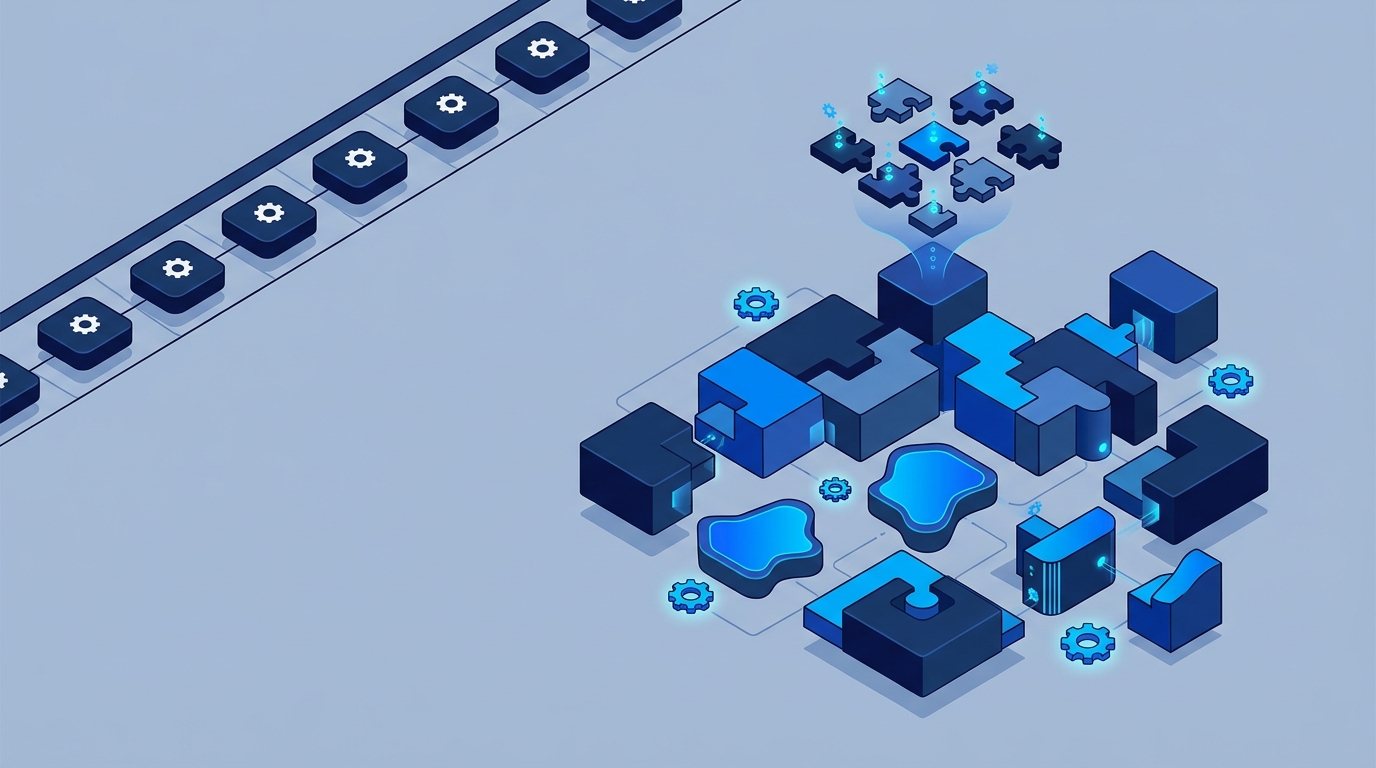
The pragmatic engineering alternative is incremental, value-driven modernization: systematically refactoring, isolating, and upgrading the existing codebase while keeping the production system running and generating business value continuously.
2. Applying the Strangler Fig Architectural Pattern
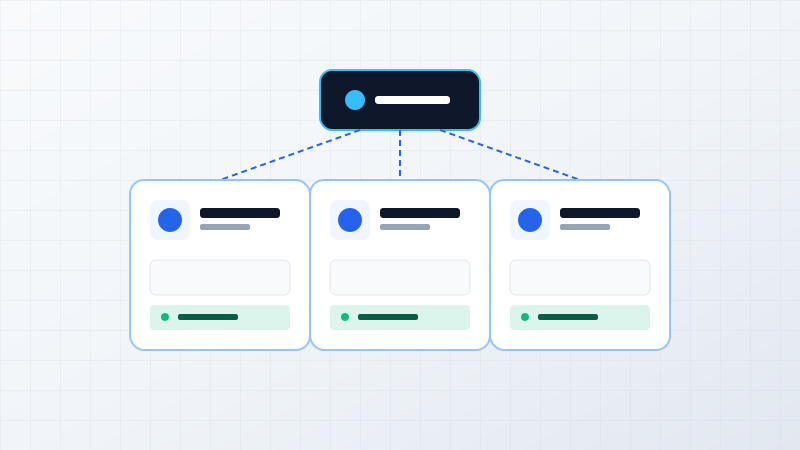
The foundational architectural pattern for low-risk modernization is the Strangler Fig Pattern (originally coined by Martin Fowler). Under this approach, new functionality and modernized sub-domains are built as clean, modern service layers that gradually replace specific legacy components behind a unified routing gateway.
At ByteStream, we implement this incrementally:
- Edge Reverse Proxy (Nginx / CloudFront): Directs traffic to legacy routes by default, while newly modernized endpoints are routed to updated controllers or services.
- Shared Authentication & Session Store: Legacy and modern components share session tokens via Redis, ensuring users experience zero friction or double-logins.
- Incremental Module Migration: High-value or frequently changed modules (e.g., reporting, payment gateways, checkout) are modernized first, while stable legacy modules remain untouched until needed.
3. The ByteStream 5-Step Modernization Framework
When engineering teams modernize legacy PHP systems (often running PHP 5.6 or 7.x with mixed global state and procedural queries), we follow a structured 5-stage progression:
Phase 1: Runtime & Tooling Upgrade
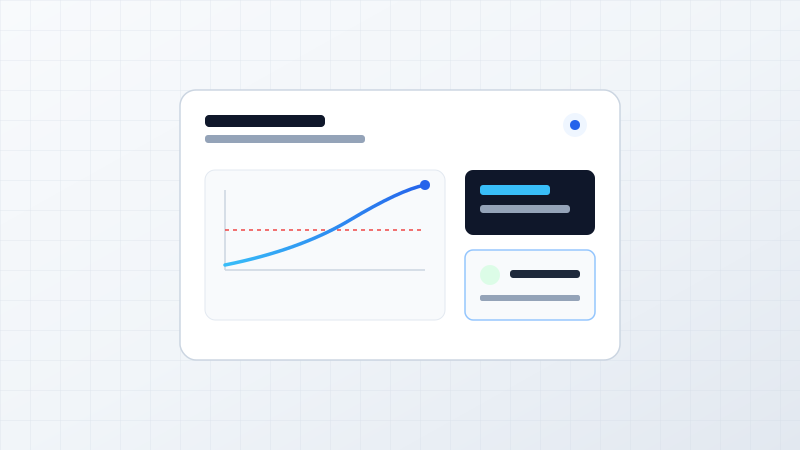
Upgrade the PHP runtime directly to PHP 8.2/8.3. Modern PHP delivers massive performance gains (2x–3x throughput increase via OpCache and JIT), native type declarations, constructor property promotion, and robust exception handling. Deprecated functions and syntax incompatibilities are identified using automated static analysis tools like PHPStan and Rector.
Phase 2: Database Decoupling & Repository Pattern
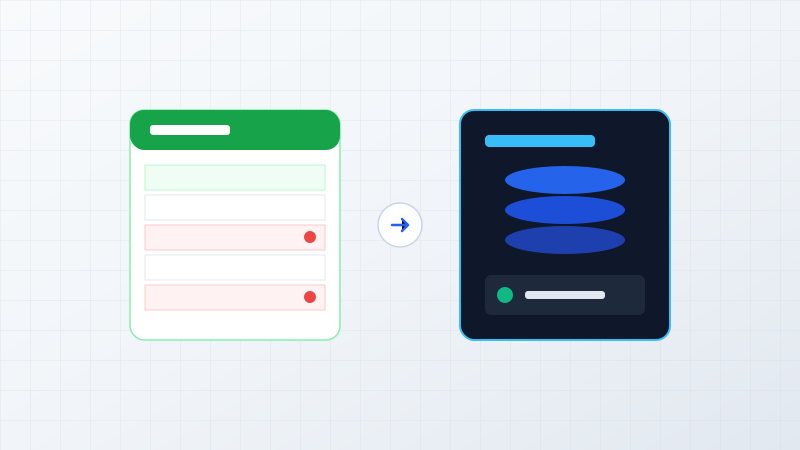
Legacy applications frequently scatter raw mysqli_query calls inside HTML rendering scripts. We extract database queries into dedicated Repository and Data Mapper classes. This centralizes SQL operations, introduces prepared statements (eliminating SQL injection risks), and prepares the database layer for ORMs or modern query builders.
Phase 3: Clean Service & REST API Boundaries
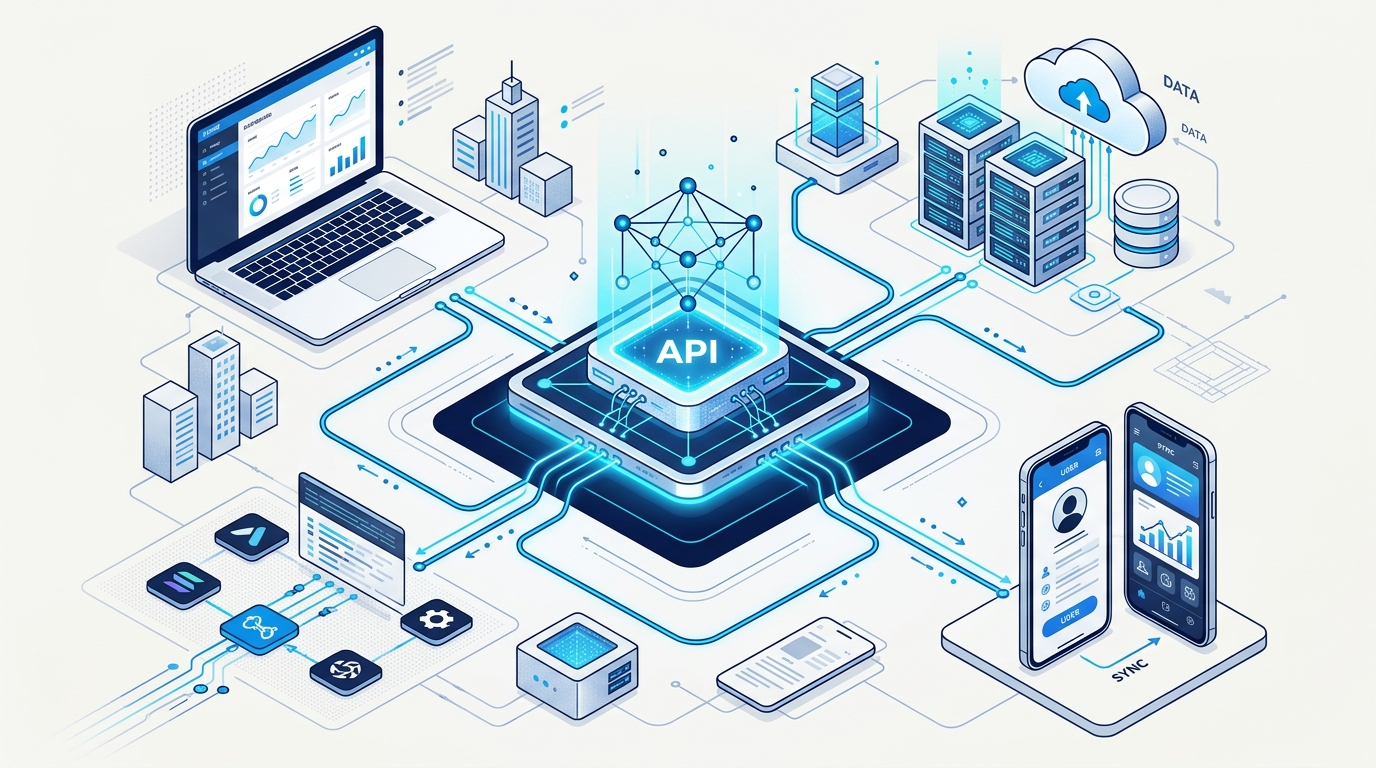
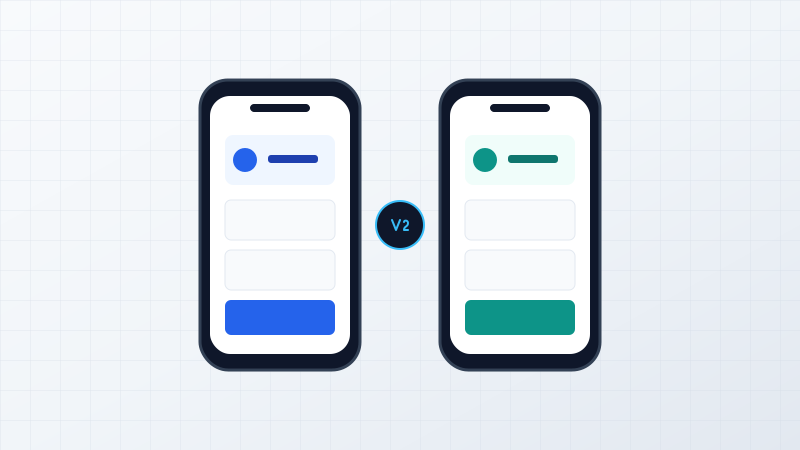
Isolate core business logic into framework-agnostic Service Classes. Introduce RESTful JSON API endpoints for critical business operations. This decouples the backend logic from legacy server-rendered views and enables modern Single Page Applications (SPAs) or mobile apps to consume the exact same backend.
Phase 4: Containerization with Docker
Package the modernized runtime, Nginx, PHP-FPM, Redis, and workers into standard Docker containers. Containerization guarantees environmental parity across local development, staging, and production on AWS (ECS/Fargate), completely eliminating "works on my machine" bottlenecks.
Phase 5: Automated Testing Harness
Implement PHPUnit and integration test suites around critical business transactions (billing, permissions, state transitions). Automated tests provide the safety net required to refactor remaining legacy sections with confidence.
4. Modernization Decision Matrix: Refactor vs Replatform
Not every component requires the same level of modernization. We evaluate legacy components using this architectural matrix:
| System State | Business Impact | Recommended Engineering Strategy |
|---|---|---|
| High Churn / High Value (e.g. Invoicing, Payments, Booking) | High | Isolate & Re-architect: Extract to a dedicated REST API service with automated unit tests and modern types. |
| Stable / Low Churn (e.g. Internal CRUD, Legacy Master Data) | Low | Refactor in Place: Upgrade PHP syntax, secure database queries with prepared statements, and keep running as-is. |
| Critical Performance Bottlenecks (e.g. Bulk Reporting, Export Engine) | High | Asynchronous Offloading: Move long-running execution to background queue workers (Redis / AWS SQS). |
5. Key Engineering Takeaways
- Protect Existing Business Value: Never discard battle-tested business rules for the sake of adopting a newer framework.
- Prioritize PHP 8.x Runtime Upgrades: Upgrading from legacy PHP 7.x to PHP 8.3 delivers immediate 30-50% CPU and memory efficiency improvements with minimal code changes.
- Establish Clear Boundaries: Decouple database queries from presentation templates before attempting any UI redesign.
- Deploy Safely with CI/CD & Containers: Dockerizing your legacy stack standardizes deployments and paves the way for seamless cloud migration.